Cash or Digital Money? How to Explain the Difference to Kids

Cash or Digital Money? How to Explain the Difference to Kids
For kids, money can seem a little bit like magic. Sometimes it jingles in a piggy bank, and other times it just disappears from a bank account when you pay with a card or phone. But what’s the real difference between cash and digital money—and how can you explain it in a way that makes sense to children? Here’s a simple guide to help make the basics of money more tangible for young learners.
Start with What They Can See and Touch
It’s easiest to begin with cash because it’s physical. Coins and bills are things kids can hold, count, and save. They can see that their money goes down when they buy something and goes up when they earn an allowance or sell lemonade at a stand.
You can compare cash to game tokens: when you spend one, you have one less. It’s concrete and easy to grasp.
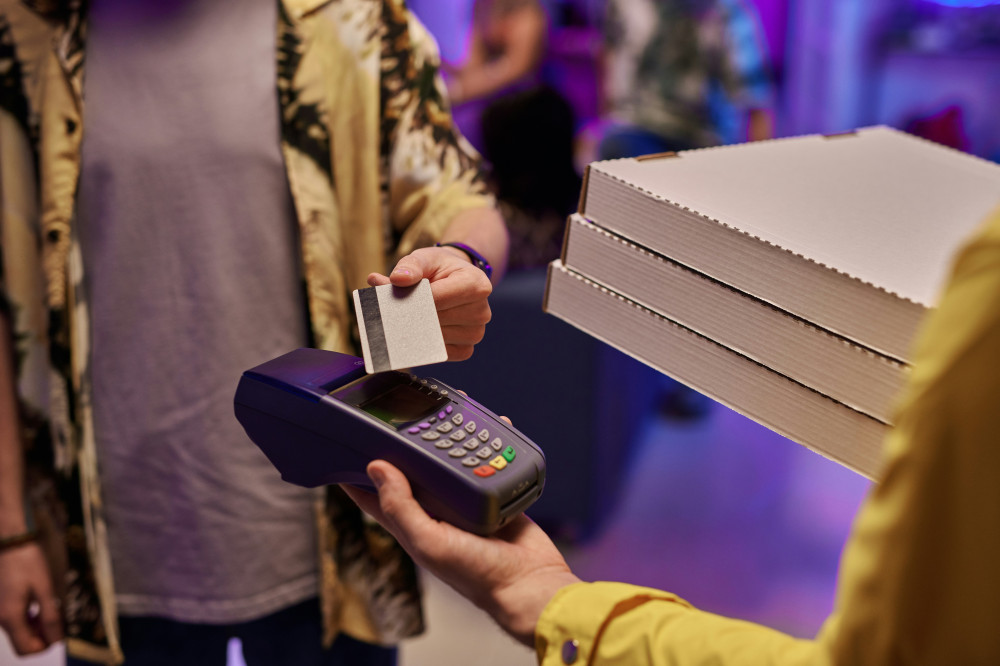
Let your child pay with cash at a store so they can experience how money changes hands. That hands-on moment helps them understand value and exchange in a real-world way.
Make Digital Money Visible
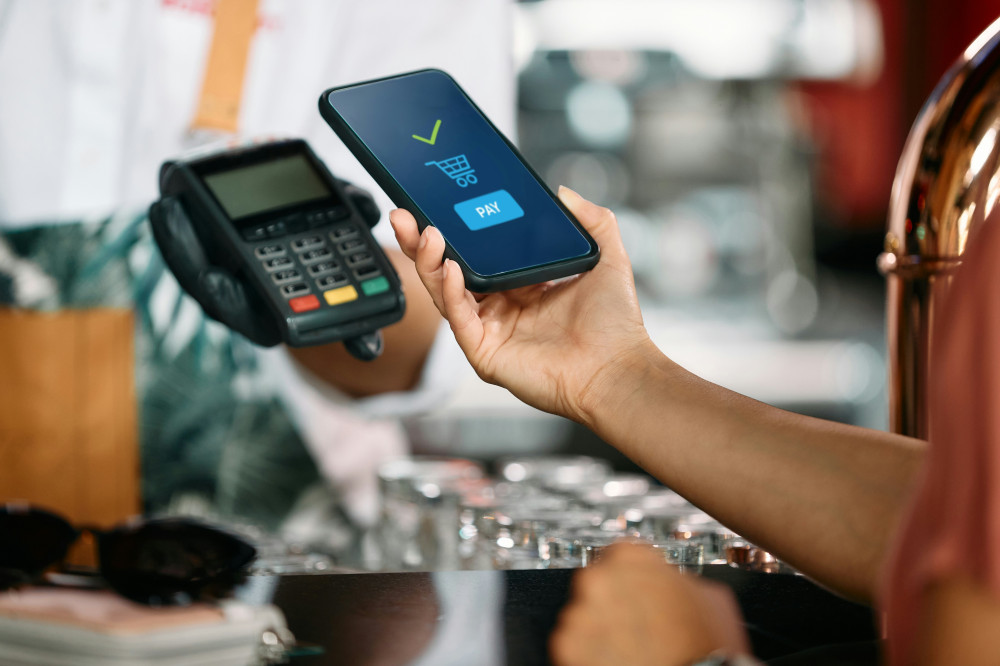
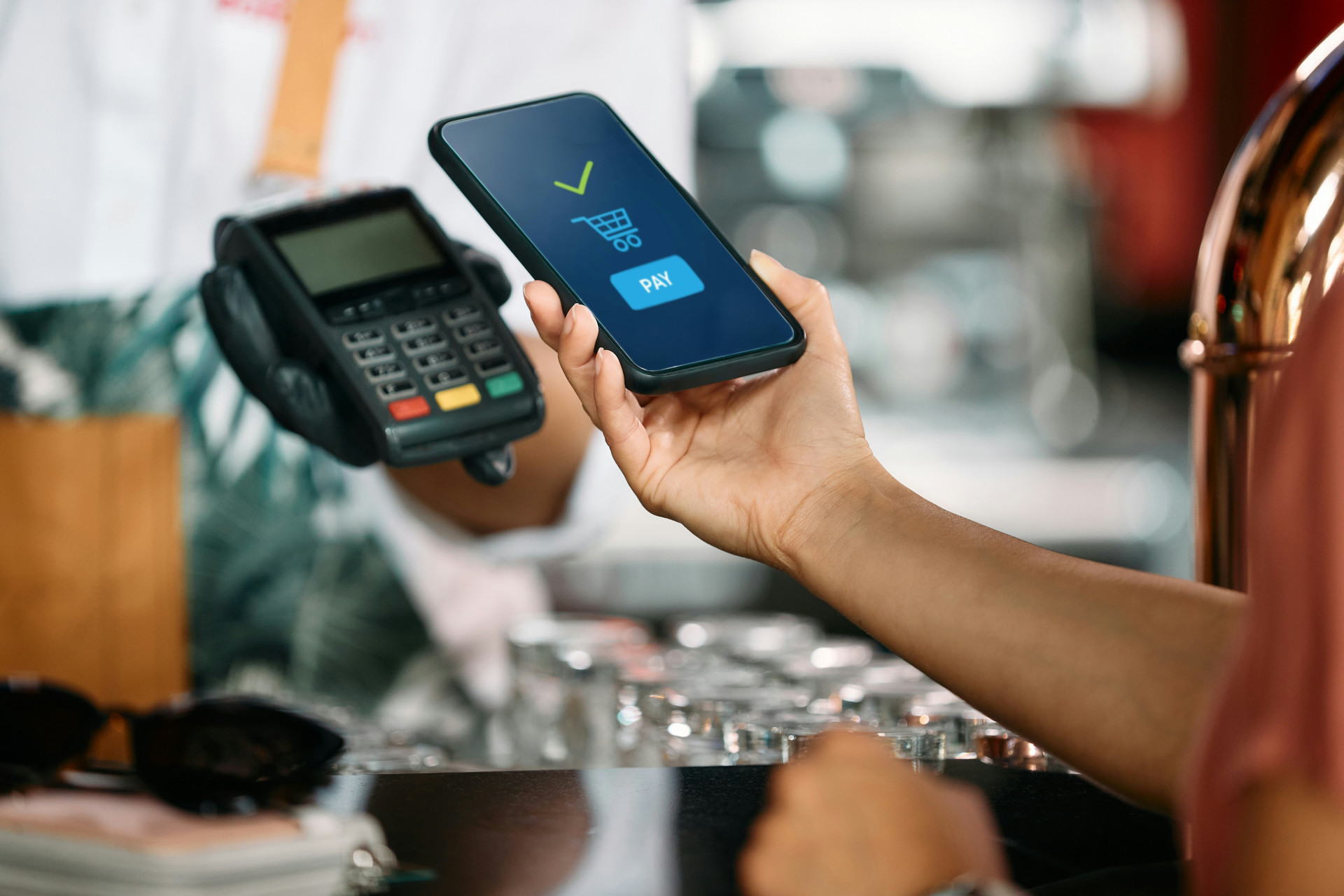
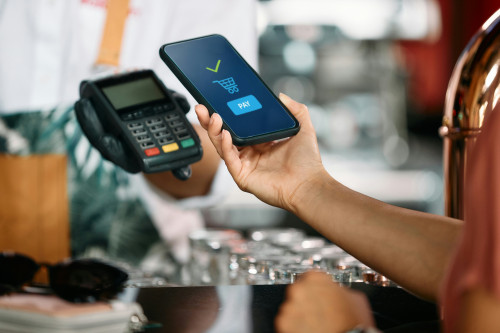
Digital money—like the kind in a bank account that’s used with a debit card or phone—can be trickier to understand because it’s invisible. To a child, it might seem like money just “appears” or “vanishes.”
You can make it more concrete by drawing a piggy bank on paper and writing down your child’s balance. When you buy something with a card, subtract the amount. When they earn money, add it. This helps them see that digital money works the same way as cash—it just lives in a different form.
You can also show them your online banking app or a kid-friendly money app, pointing out how the balance changes after a purchase or deposit. Seeing those numbers move helps connect the dots.
Læs også:

Explain Where the Money “Lives”
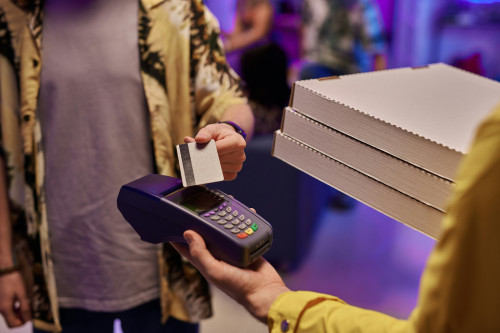
Kids might ask, “Where is my money if it’s not in my wallet?” You can explain that a bank is like a big, safe vault where people keep their money. When you use a card, you’re telling the bank to send some of your money to the store.
It’s like sending a message: “Hey bank, please send $10 to buy this toy.” The bank moves the money from your account to the store’s account—just like moving coins from one hand to another, only digitally.
Talk About Safety and Responsibility
As kids get older, it’s important to talk about responsibility. Using a card or phone to pay is convenient, but it also means keeping information private—like a PIN or password. That’s just like keeping a wallet safe, only in digital form.
You can also explain that even though digital money isn’t visible, you can’t spend more than you have. Learning that lesson early helps kids understand budgeting and financial responsibility later in life.
Use Everyday Moments to Teach
The best way to teach kids about money is through everyday life. Let them help when you shop, pay bills, or transfer money. Ask what they think happens when you tap your card, and then explain it step by step.
You can also turn it into a game: set up a “store” at home where your child can pay with both cash and “digital money” (like points on paper). It makes learning fun and practical.
Help Them Understand Value—Not Just Form
Whether it’s cash or digital, money is really about value. It represents work, time, and choices. When kids understand that, they’re better prepared to make thoughtful financial decisions as they grow.
Explaining the difference between cash and digital money isn’t just about technology—it’s about helping children build a healthy understanding of what money means in everyday life.
Læs også: