Incorporate Energy and Operations into the Building Project’s Budget from the Start

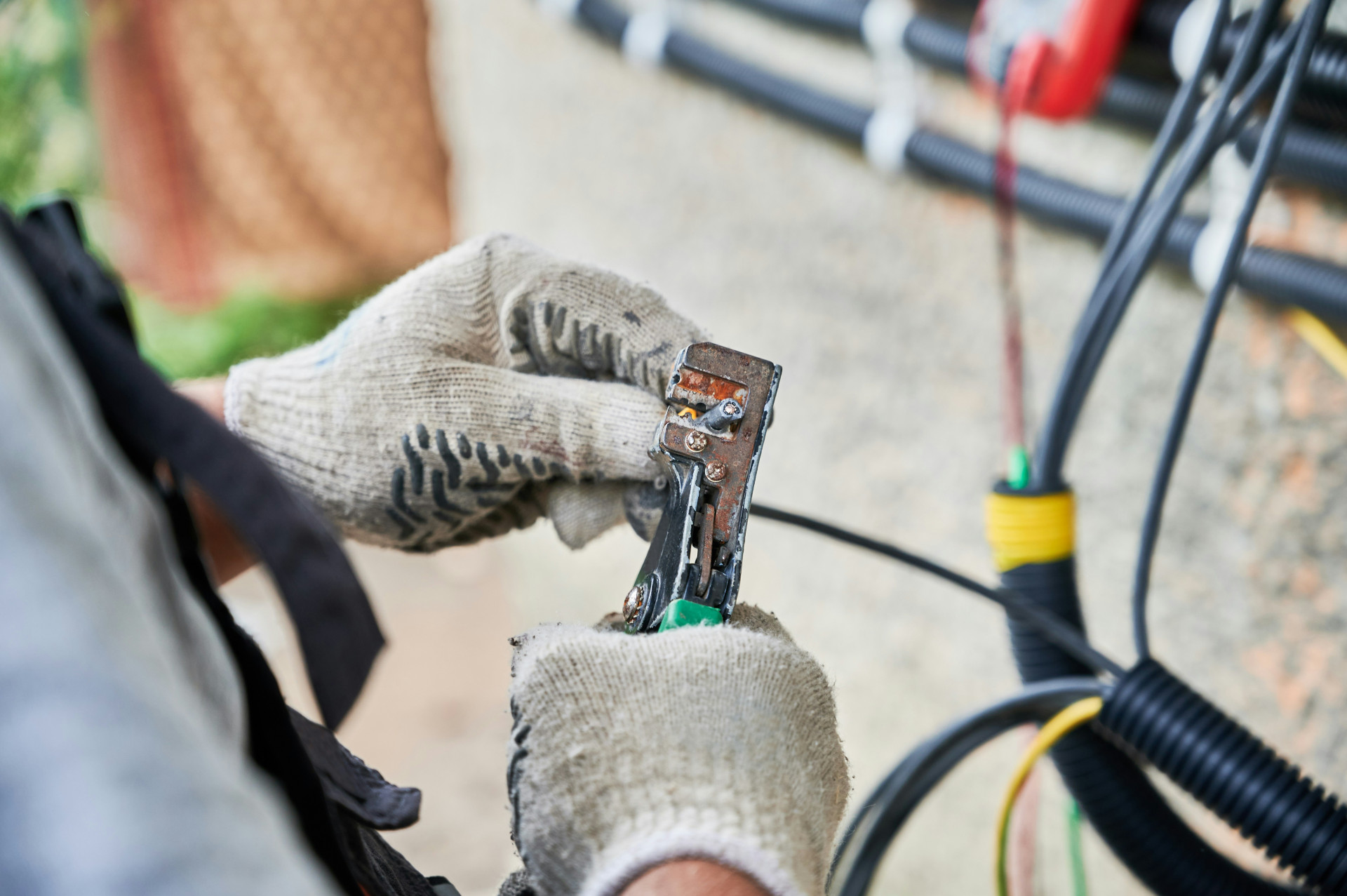
Incorporate Energy and Operations into the Building Project’s Budget from the Start
When planning a building project—whether it’s a new home, an addition, or a major renovation—it’s easy to focus on the construction budget: materials, contractors, and timelines. But the decisions you make during the design and planning stages also determine how much the building will cost to operate and maintain over time. By incorporating energy and operational considerations from the very beginning, you can create a building that is both cost-effective and comfortable for decades to come.
Look Beyond Construction Costs
Choosing the lowest upfront price can be tempting, but short-term savings often lead to long-term expenses. A building with poor insulation, inefficient systems, or low-quality materials will consume more energy and require more maintenance—driving up operating costs year after year.
Instead, focus on life-cycle cost: the total of construction, energy, maintenance, and replacement costs over the building’s lifespan. Investing in better insulation, high-performance windows, or an energy recovery ventilation system can pay for itself through lower utility bills and reduced maintenance needs.
Energy Efficiency Starts with Design
The most effective energy savings come from decisions made early in the design process. The building’s orientation, shape, and materials all influence how much heating, cooling, and lighting it will require.
- Solar orientation: Position living or working spaces to take advantage of natural sunlight in winter, while using shading or overhangs to prevent overheating in summer.
- Compact form: A building with less exterior surface area relative to its volume loses less heat and is easier to condition.
- Natural ventilation and daylighting: Cross-ventilation and skylights can reduce the need for mechanical ventilation and artificial lighting.
- Low-impact materials: Choose durable materials with low embodied energy and minimal environmental impact.
Engaging an energy consultant or mechanical engineer early in the process can help you model how different design choices affect both energy use and long-term costs.
Operations and Maintenance: The Hidden Costs
Once construction is complete, the building enters its longest and most expensive phase—operation. Systems that are inexpensive to install can turn out to be costly to maintain or replace. Conversely, a well-designed, efficient system may have higher upfront costs but lower lifetime expenses.
Develop an operations and maintenance plan during the design phase. It should outline:
- expected service intervals and maintenance costs
- projected energy use for heating, cooling, and lighting
- monitoring and optimization options for building systems
- replacement cycles for key components
A clear operational plan helps you manage costs, avoid unexpected repairs, and ensure consistent performance over time.
Læs også:

Renewable Energy as a Financial Strategy
Solar panels, heat pumps, and other renewable energy systems are no longer niche technologies—they’re smart financial investments when integrated from the start. A properly sized solar array can offset a significant portion of a building’s electricity use, while a geothermal or air-source heat pump can dramatically reduce heating and cooling costs. These systems also increase property value and appeal to future buyers.
For larger developments, consider shared energy systems or community solar projects, where multiple buildings share the investment and benefits. This approach can lower per-unit costs and improve overall efficiency.
Collaboration Leads to Better Outcomes
A successful building project depends on collaboration among architects, engineers, contractors, and owners. The earlier these professionals coordinate on energy and operational goals, the better the results. An integrated design process—where energy modeling, material selection, and budgeting are evaluated together—provides a realistic picture of the building’s total cost of ownership. It may require more planning upfront, but it pays off through lower operating expenses and fewer design changes later.
Build for the Long Term
Incorporating energy and operations into your project’s budget isn’t just about saving money—it’s about creating buildings that are healthy, comfortable, and sustainable for the people who use them and for the environment.
By focusing on total cost rather than initial price, you gain a clearer understanding of what your building truly costs—and how much you can save over time. It’s an investment in the future that benefits both your finances and the planet.
Læs også: