Track Your Stocks – Without Letting Daily Fluctuations Sway You

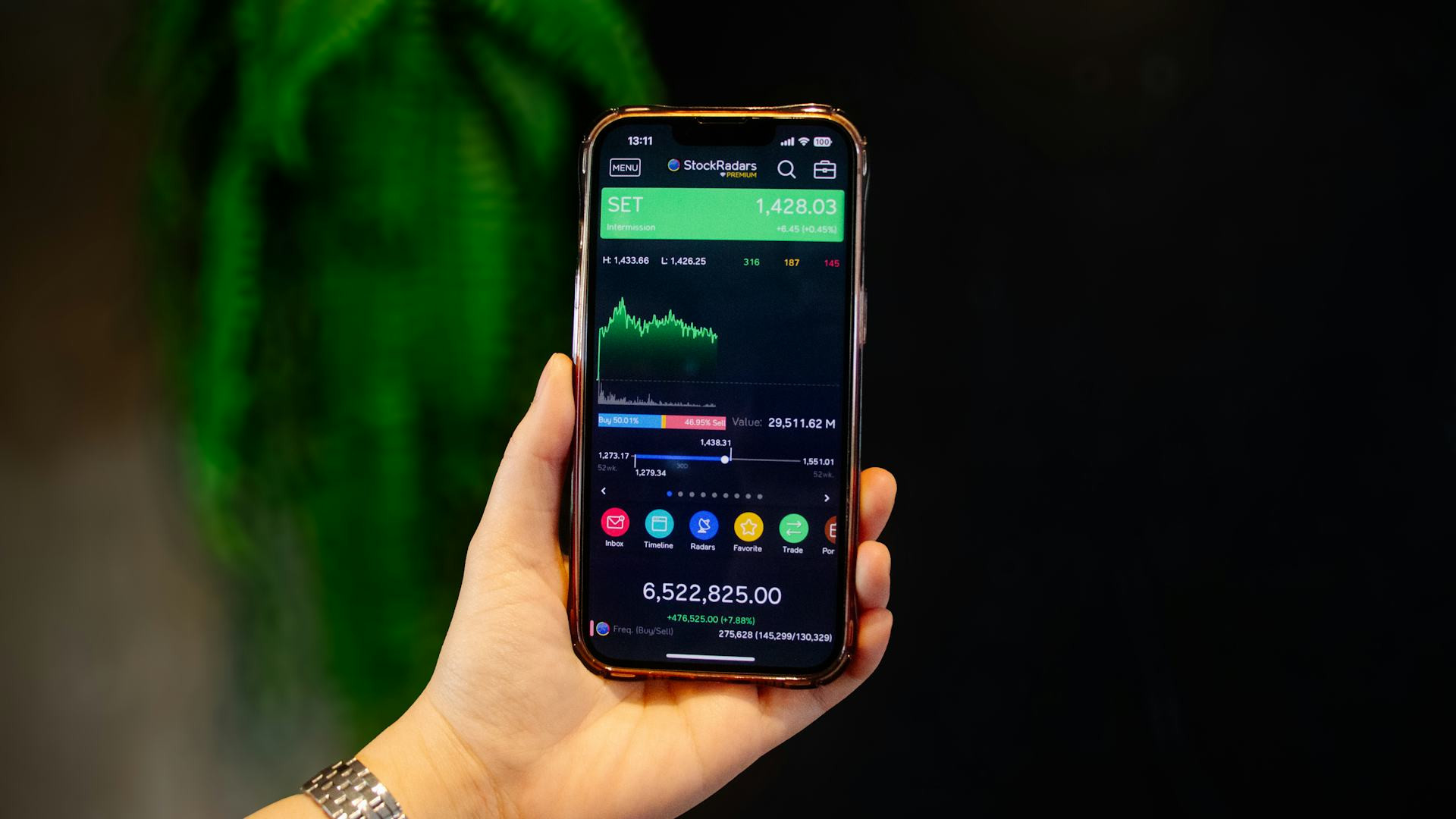
Track Your Stocks – Without Letting Daily Fluctuations Sway You
When you invest in stocks, it’s natural to want to keep an eye on how things are going. But in an age where prices update by the second and financial news is everywhere, it’s easy to get caught up in the noise. Many investors find that daily market swings influence their decisions—often to their detriment. This article explores how you can monitor your investments calmly and stay focused on the long term.
Market Movements Are Normal
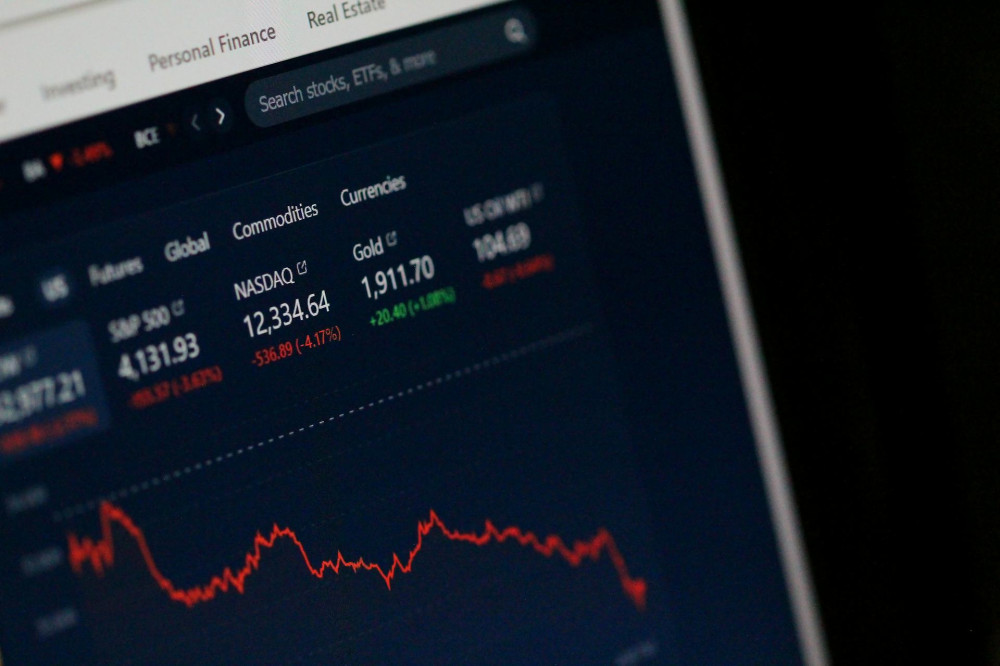
The stock market moves up and down—it’s part of its nature. Prices fluctuate daily, driven by news, interest rates, politics, and investor sentiment. While these changes can seem dramatic in the moment, they rarely matter much for your long-term strategy.
History shows that the U.S. stock market has gone through many downturns, yet it has consistently trended upward over time. If you invest with a long-term perspective, it’s far more important to focus on performance over years, not days.
Know Your Strategy—and Stick to It
One of the best ways to avoid being swayed by short-term volatility is to have a clear investment strategy. Maybe you invest in broad index funds, focus on dividend-paying stocks, or maintain a set mix of stocks and bonds.
Once your strategy is defined, it becomes easier to decide whether a market move requires action—or is just background noise. For example, if your time horizon is 10 to 20 years, a 3% drop in a single day is rarely meaningful.
Consider writing an investment plan that outlines:
- Your goals (e.g., saving for retirement or a down payment)
- Your time horizon
- Your risk tolerance
- How you’ll respond to market fluctuations
When the market gets rocky, revisit your plan to remind yourself why you’re investing in the first place.
Don’t Check Too Often
It’s tempting to open your investing app multiple times a day. But the more often you look, the more likely you are to react emotionally. Studies have shown that investors who check their portfolios frequently tend to trade more—and often achieve worse results.
Instead, set specific times to review your investments, such as once a month or once a quarter. This keeps you informed without getting caught up in daily ups and downs.
Learn to Separate Noise from Signal
Not all news is equally important. Many market movements are driven by short-term factors that quickly fade—like a company’s quarterly report, a political headline, or a shift in oil prices.
Try to focus on information that truly affects your long-term outlook: changes in the broader economy, a company’s business fundamentals, or your own financial situation. The rest is just noise.
A helpful question to ask yourself is: “Will this still matter to my investment five years from now?” If the answer is no, it’s probably not worth reacting to.
Læs også:

Use Automation to Your Advantage
Automation can help you stay disciplined. By setting up automatic monthly investments—through a 401(k), IRA, or brokerage account—you remove the temptation to make impulsive decisions.
Automatic investing means you buy when the market is high and when it’s low. Over time, this smooths out the price you pay and reduces the risk of buying at the wrong moment.
Remember That Emotions Are Part of the Game
Even experienced investors can be influenced by fear and greed. It’s human nature. The key is to recognize how emotions affect your decisions.
When the market drops, selling might feel safe—but it often locks in losses you could have avoided. During a bull market, excitement can lead you to take on too much risk. Understanding your own reactions is an important step toward becoming a better investor.
One useful exercise is to jot down how you feel when the market swings. Over time, you’ll start to see patterns and learn to respond more rationally.
Patience Pays Off
Most successful investors share one trait: patience. They know that time in the market matters more than timing the market. By sticking to your strategy, tuning out the noise, and focusing on the long term, you increase your chances of achieving solid returns—and peace of mind along the way.
Tracking your stocks doesn’t have to be an emotional roller coaster. With the right mindset, it can become a source of insight, learning, and long-term financial confidence.
Læs også: