When the World Changes: How Politics, Economics, and Technology Affect Investors’ Risks

When the World Changes: How Politics, Economics, and Technology Affect Investors’ Risks
The world is shifting faster than ever. Political decisions, economic cycles, and technological breakthroughs can reshape markets in a matter of months. For investors, that means the risk landscape is constantly evolving—and the ability to understand and adapt to change has become a critical skill.
Politics: When Policy Moves Markets
Political decisions can alter the playing field for entire industries overnight. Trade agreements, tariffs, tax reforms, and environmental regulations all influence how companies operate and where capital flows.
In the United States, for example, federal incentives for clean energy have accelerated investment in solar, wind, and battery technologies, while stricter emissions standards have pressured traditional energy producers. Investors who recognize these policy signals early can position themselves to benefit, while those who ignore them may face losses.
Geopolitics also plays a growing role. Tensions between major economies, supply chain disruptions, and shifting alliances can create volatility in commodities and currencies. U.S. investors must increasingly consider how global relations—from China’s manufacturing policies to conflicts in Eastern Europe—affect corporate earnings and market stability.
Economics: Cycles, Inflation, and Interest Rates
The economy moves in cycles, and each phase brings different challenges for investors. Periods of low interest rates and abundant liquidity often drive money into equities and real estate, while rising rates and inflation can push investors toward bonds or cash.
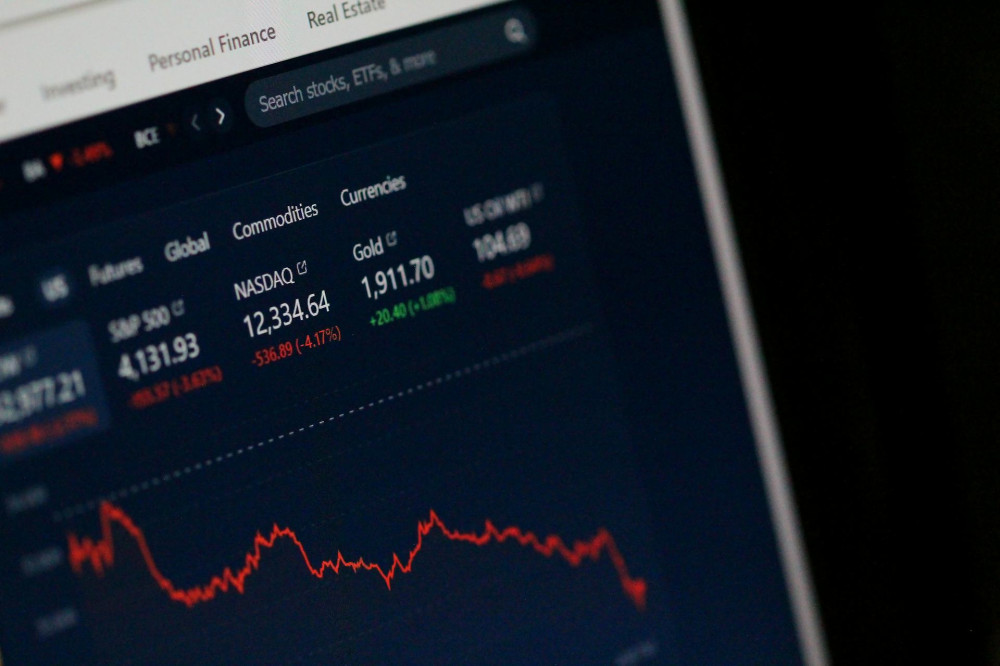
Recent years have shown how quickly conditions can change. After a decade of near-zero interest rates, inflation surged, prompting the Federal Reserve to raise rates aggressively. The result was a sharp revaluation across markets—from high-growth tech stocks to housing prices.
For investors, success depends not only on picking the right assets but also on understanding the macroeconomic forces that shape the entire market. Sound risk management means diversifying across sectors, regions, and asset classes—and having a plan for how to adjust when the economy shifts direction.
Technology: Innovation and Disruption
Technological progress creates both opportunity and uncertainty. Artificial intelligence, automation, and digital platforms are transforming industries, but they can also render established business models obsolete.
For investors, innovation is a double-edged sword. A company that dominates today’s market can be overtaken tomorrow by a disruptive startup or a new technology. The rapid rise of AI tools, for instance, has boosted some firms while threatening others that fail to adapt.
Technology is also changing how we invest. Algorithmic trading, robo-advisors, and blockchain-based assets like cryptocurrencies have made markets more complex—and sometimes more volatile. Understanding these systems and their risks is essential for anyone navigating the modern investment landscape.
The Interplay of Forces
Politics, economics, and technology rarely act in isolation. More often, they reinforce one another. A technological breakthrough can trigger new regulations, which in turn reshape economic incentives. Electric vehicles are a prime example: advances in battery technology spurred government support, which encouraged consumer adoption and reshaped the auto industry.
For investors, this means risks and opportunities must be viewed in context. A holistic perspective—one that connects policy trends, economic data, and technological change—offers the best chance of anticipating where markets are headed.
Læs også:

How Investors Can Navigate Change
While the future is always uncertain, investors can strengthen their position by managing risk systematically:
- Stay informed – Follow economic indicators, political developments, and emerging technologies.
- Diversify – Spread investments across sectors and regions to reduce exposure to any single risk.
- Think long term – Short-term volatility is inevitable, but long-term trends reveal where value is created.
- Be flexible – Adjust your strategy as conditions evolve and new information emerges.
Investing in a changing world isn’t about avoiding risk—it’s about understanding it. Those who can read the patterns behind political decisions, economic cycles, and technological innovation will be best prepared to thrive, no matter how the world changes next.
Læs også: