Drive More Efficiently with Your Car’s Driver Assistance Systems

Drive More Efficiently with Your Car’s Driver Assistance Systems
Modern vehicles come equipped with a wide range of driver assistance systems that not only enhance safety but can also help you drive more efficiently. By understanding and using these systems correctly, you can reduce fuel consumption, minimize wear on your car, and make your trips more relaxed. Here’s a guide to getting the most out of your car’s technology—for the benefit of both your wallet and the environment.
Cruise Control and Adaptive Cruise Control – Steady Speed Saves Fuel
One of the most effective tools for efficient driving is cruise control. By maintaining a steady speed, you avoid unnecessary acceleration and braking, both of which increase fuel use. On highways and open roads, this can lead to noticeable savings.
If your car has adaptive cruise control, the system takes things a step further. It automatically adjusts your speed to maintain a safe distance from the vehicle ahead, allowing for smoother driving without constant manual input. This not only adds comfort but also helps your engine run more efficiently.
Eco Mode – Your Car’s Built-In Efficiency Program
Most newer vehicles offer an Eco mode, which adjusts the engine and transmission response to promote fuel-efficient driving. When activated, throttle response becomes gentler, gear shifts occur earlier, and the climate control system uses less energy.
Eco mode is especially useful in city driving or during short trips, where frequent acceleration and braking can quickly increase fuel consumption. The car may feel slightly less responsive, but that’s intentional—it helps you avoid energy-wasting driving habits.
Start-Stop System – Small Pauses, Big Impact
A start-stop system automatically shuts off the engine when the car is stopped, such as at traffic lights or in heavy traffic. The engine restarts instantly when you release the brake. It may seem like a small feature, but in urban driving, it can save several percent of your fuel over time.
This system works best when the engine is warm and the battery is fully charged. If you often take short trips or drive in very cold weather, you might consider turning it off temporarily so the engine can reach optimal temperature.
Navigation and Route Planning – Avoid Wasted Time and Idling
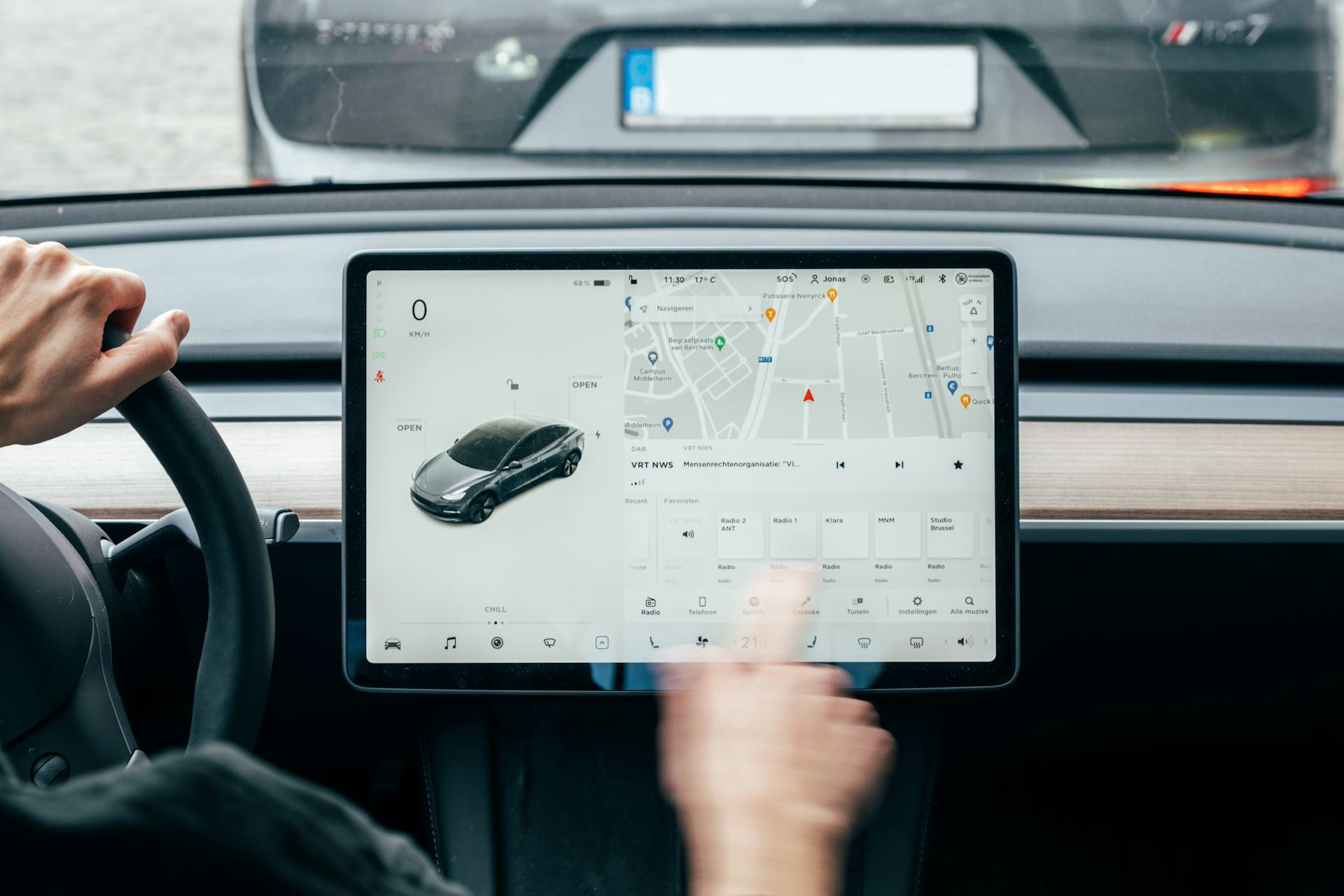
Your car’s navigation system can also help you drive more efficiently. Many systems now offer route options that prioritize fuel economy rather than just the shortest time. These routes may help you avoid steep hills, heavy traffic, and frequent stops.
By planning your route ahead of time, you can reduce unnecessary idling and detours. Combined with real-time traffic data, this can save both time and fuel—and make your drive less stressful.
Læs også:

Tire Pressure Monitoring and Driving Style Feedback
Proper tire pressure plays a major role in fuel efficiency. Many vehicles today include a tire pressure monitoring system (TPMS) that alerts you if pressure drops. Respond promptly to these warnings—underinflated tires can increase fuel consumption by up to 10 percent and wear out faster.
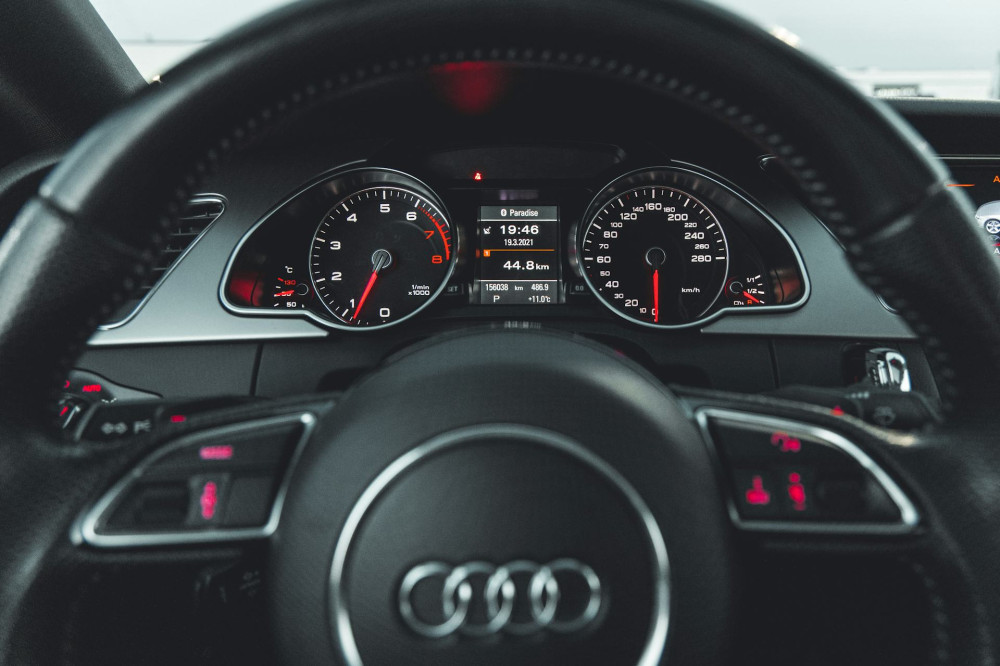
Some cars also feature driving style analysis, which provides feedback on your driving habits. The system evaluates factors like acceleration, braking, and gear changes, offering tips on how to drive more smoothly and efficiently. It’s a great way to become more aware of your driving behavior.
Use the Technology – But Stay in Control
While driver assistance systems can do a lot, they’re not a substitute for attention and good judgment. They work best when you use them actively and understand their limitations. Take time to learn how each system responds and adjust your driving accordingly.
By combining the support of modern technology with calm, anticipatory driving, you can achieve significant savings—on fuel, maintenance, and stress. It’s good for the environment, and even better for your long-term budget.
Læs også: