The Company Car of the Future – An Integrated Part of the Corporate Transportation Strategy

The Company Car of the Future – An Integrated Part of the Corporate Transportation Strategy
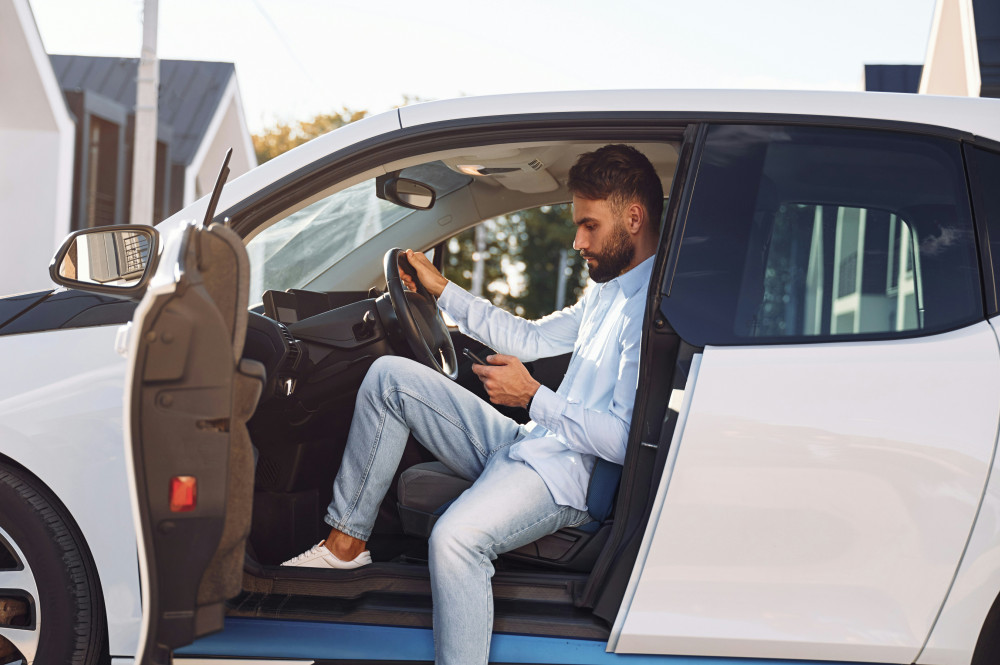
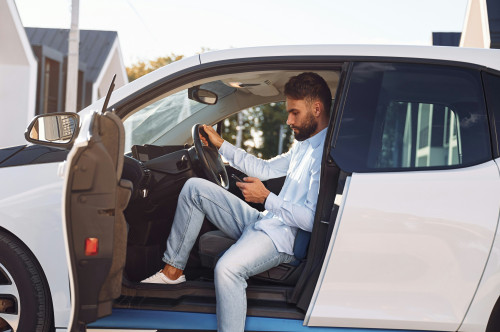
For decades, the company car has been a symbol of professional success and mobility in the American workplace. But as sustainability, digitalization, and new mobility models reshape the way we move, the company car is evolving from a simple perk into a strategic component of corporate transportation planning. Today, it represents a point where cost efficiency, environmental responsibility, and employee satisfaction intersect.
From Employee Benefit to Strategic Asset
Traditionally, company cars were viewed primarily as a benefit to attract and retain talent. Now, many U.S. businesses see them as part of a broader mobility strategy. It’s no longer just about providing a vehicle—it’s about offering flexible, sustainable transportation options that align with corporate goals for efficiency and carbon reduction.
Forward-thinking companies are combining company cars with shared mobility programs, electric bikes, or public transit subsidies. This approach gives employees the freedom to choose the most practical mode of travel while helping the organization reduce its overall carbon footprint.
Electrification as a Driving Force
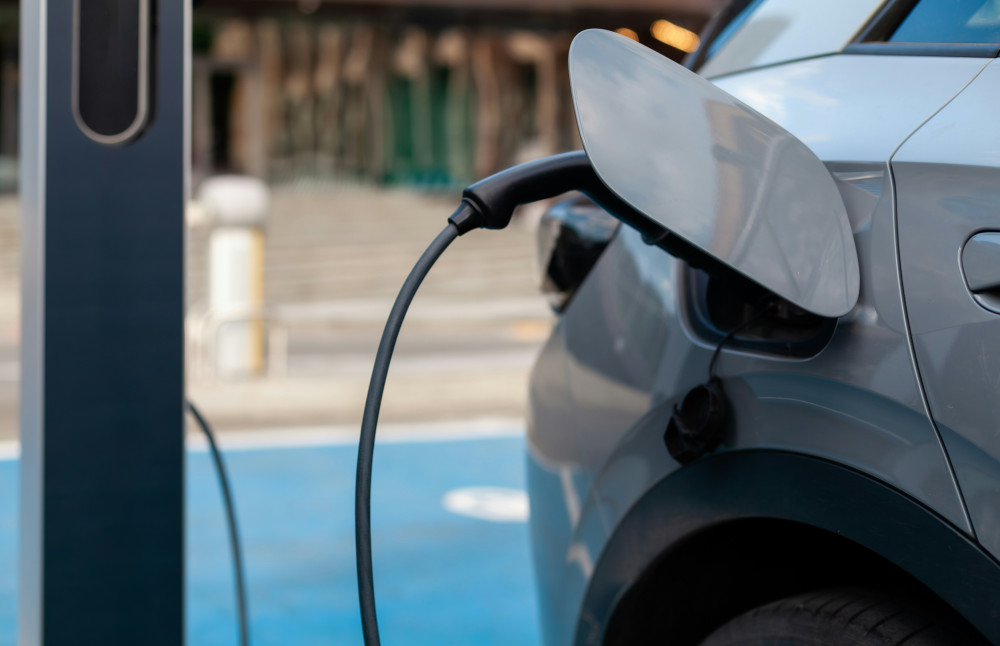
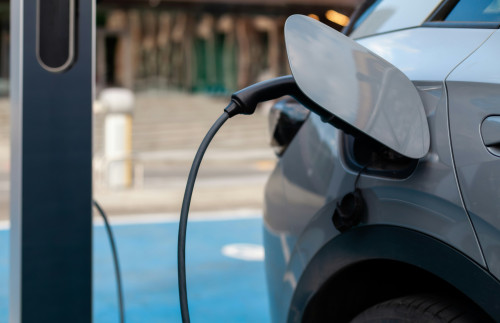
The shift toward electric vehicles (EVs) is one of the most significant trends in corporate fleets. With rapid advances in technology, expanding charging infrastructure, and federal and state incentives, EVs are becoming a practical and financially sound choice for many U.S. companies. Lower operating costs, reduced emissions, and a strong sustainability profile make them an attractive option.
However, electrification requires careful planning. Businesses must consider charging access—both at the workplace and at employees’ homes—as well as how vehicles are used day to day. Data from driving patterns can help determine the right vehicle mix and ensure that charging infrastructure is properly scaled.
Data and Digitalization Transform Fleet Management
Modern company cars are increasingly connected, generating valuable data on driving behavior, energy consumption, and vehicle performance. This digital insight allows companies to optimize operations—reducing idle time, improving route planning, and tracking environmental impact.
Digital fleet management platforms can also integrate company cars into broader corporate mobility systems. This means aligning vehicle use with logistics, meeting schedules, and employee travel planning—maximizing efficiency and minimizing waste.
New Ownership Models and Flexible Solutions
Leasing has long been the dominant model for company cars in the U.S., but new, more flexible solutions are emerging. Subscription-based mobility services, where companies pay for access rather than ownership, allow for faster adaptation to changing needs and reduce administrative complexity. This flexibility is particularly valuable in a time of rapid technological change.
Shared company cars are also gaining traction, especially in urban areas. Through app-based systems, multiple employees can access a shared fleet, reducing the total number of vehicles and parking spaces required while maintaining mobility and convenience.
Læs også:


Sustainability as a Competitive Advantage
Transportation is a major contributor to corporate carbon emissions, making the company car a key element in sustainability strategies. A greener fleet can strengthen a company’s brand, appeal to environmentally conscious employees, and meet the expectations of clients and partners who prioritize sustainability.
Many organizations are setting clear targets—such as transitioning to a fully electric fleet by 2030. Achieving these goals requires a well-defined strategy, continuous monitoring, and open communication with employees to ensure that the transition is both practical and cost-effective.
Employees as Partners in Change
A successful transportation strategy is not just about technology and budgets—it’s about people. Employee needs and habits must be considered from the start. Some employees drive long distances daily, while others only need a car occasionally. By offering flexible solutions—such as a mix of EVs, shared vehicles, and public transit options—companies can create programs that are both efficient and appealing.
Communication and engagement are essential. When employees understand why the company is changing its vehicle policy and how it contributes to broader sustainability goals, they are more likely to support and embrace the transition.
The Company Car as Part of a Larger Whole
The company car is undergoing a transformation. It is no longer merely a symbol of personal freedom or corporate status, but a key component of an integrated mobility ecosystem where technology, sustainability, and flexibility converge. The company car of the future is electric, connected, and adaptable—and it plays a central role in a company’s overall transportation strategy.
Organizations that take a holistic and proactive approach will not only reduce costs and emissions but also strengthen their reputation as modern, responsible leaders in a rapidly changing mobility landscape.
Læs også: