Flexible Leasing: More Options for Car Buyers on the Go

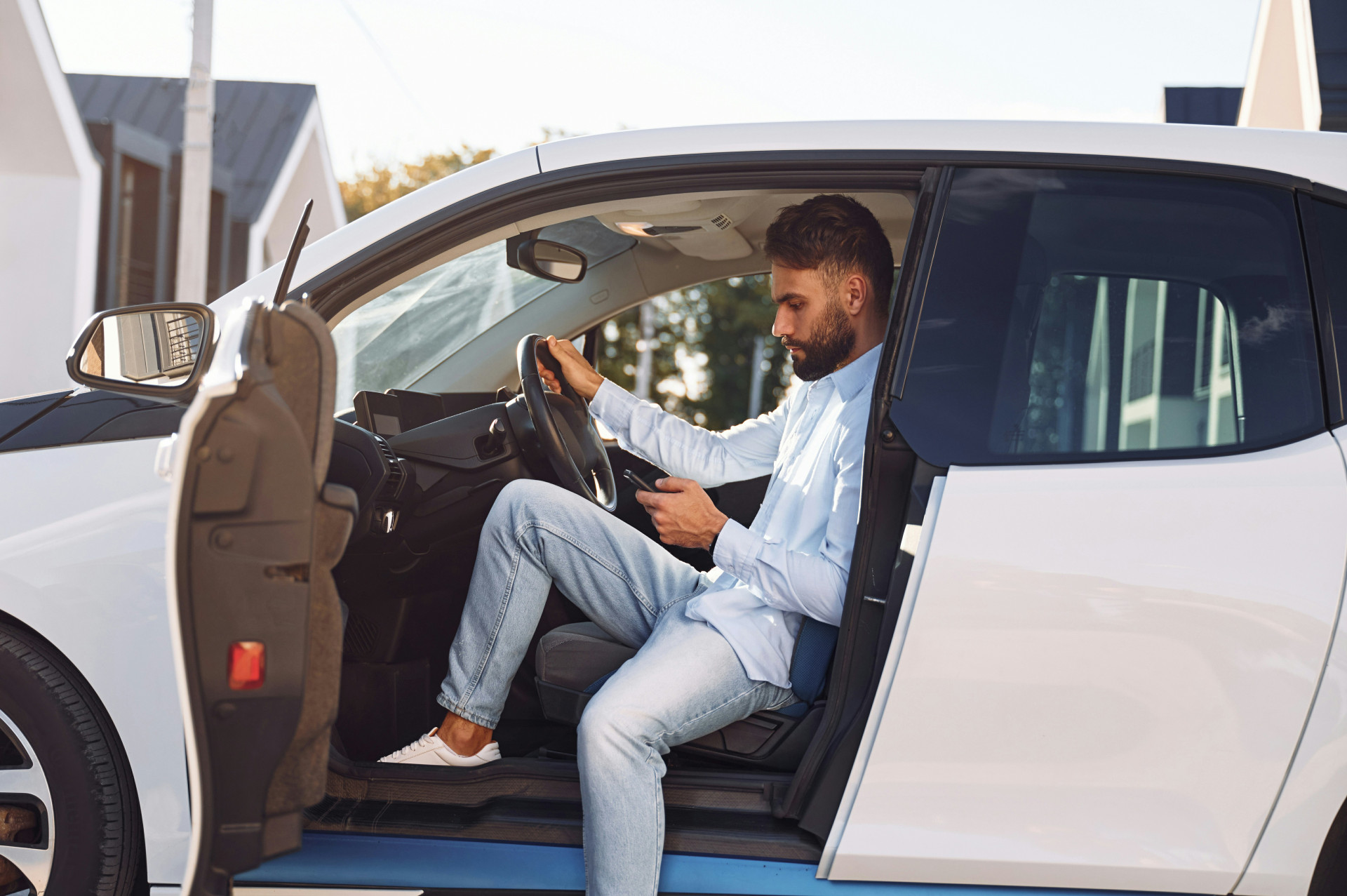
Flexible Leasing: More Options for Car Buyers on the Go
The American car market is changing fast. While owning a car has long been the norm, more drivers are now turning to leasing—and especially to flexible leasing. The appeal is clear: people want the freedom to switch cars more often, avoid large upfront costs, and adapt their transportation to their lifestyle. But what exactly is flexible leasing, and who is it right for?
What Is Flexible Leasing?
Flexible leasing is a type of car lease that allows you to drive a vehicle for a shorter, adjustable period—often 6, 12, or 24 months—without committing to a long-term contract. Unlike traditional leases that typically last three years or more, flexible leases let you extend, swap, or end your agreement with minimal hassle.
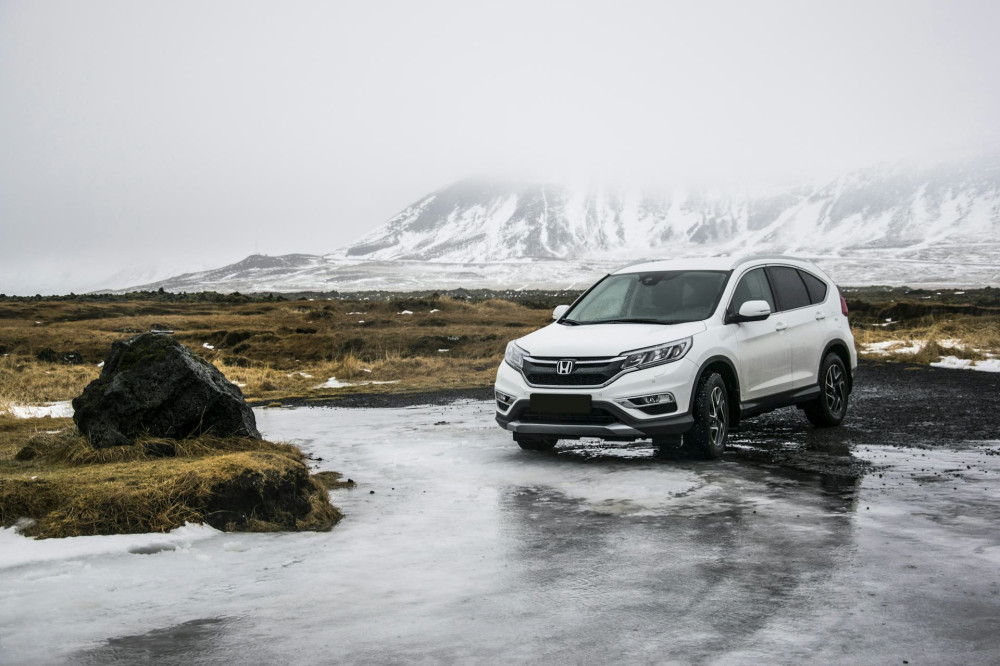
This model is gaining popularity among drivers who want access to newer cars without the long-term financial commitment. It’s also ideal for those whose needs change throughout the year—say, a compact car for city driving in the winter and a larger SUV for summer road trips.
The Benefits of Flexible Leasing
There are several reasons why flexible leasing is becoming a go-to option for many Americans:
- Lower upfront costs – You avoid the large down payment that comes with buying a car.
- Shorter commitment – You can change vehicles more often and aren’t locked into a multi-year contract.
- Predictable expenses – Many leases include maintenance, insurance, and registration fees, so your monthly costs are easier to manage.
- Try before you buy – You can test different brands and models without a long-term obligation.
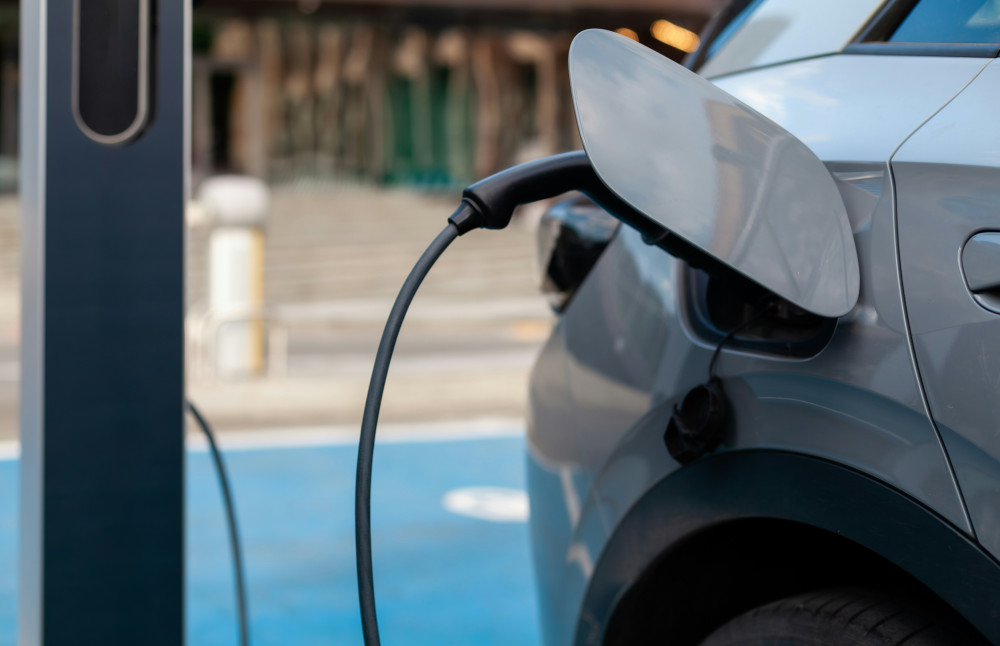
For many, flexible leasing offers a way to enjoy the latest automotive technology—like advanced safety features or electric drivetrains—without worrying about depreciation or resale value.
What to Watch Out For
While flexible leasing offers convenience, it’s important to understand the details before signing a contract.
- Mileage limits – Most leases include a set mileage cap. Exceeding it can lead to extra charges.
- Vehicle condition – You’ll need to return the car in good shape, or you may face fees for damage or excessive wear.
- Total cost – Even if the monthly payment seems low, the total cost over time may exceed what you’d pay to own a car.
- Flexibility comes at a price – Shorter lease terms often mean slightly higher monthly payments.
Always compare multiple offers and read the fine print carefully to know exactly what’s included—and what’s not.
Who Is Flexible Leasing For?
Flexible leasing appeals to drivers who value freedom and predictability. It’s especially suited for:
- Commuters who need a reliable car but don’t want a long-term commitment.
- Small business owners who want to adjust their fleet as needs change.
- Car enthusiasts who enjoy trying out new models regularly.
- Families whose transportation needs shift over time—like when kids move out or a larger vehicle is needed temporarily.
In short, flexible leasing fits those who see a car as a tool for mobility rather than a long-term investment.
The Future of Car Ownership
As electric vehicles and new technologies evolve rapidly, many Americans are hesitant to buy a car that could soon feel outdated. Flexible leasing offers a way to stay current without financial risk.
Digital platforms are also making it easier than ever to compare prices, customize lease terms, and switch cars with just a few clicks. This convenience means flexible leasing is no longer just for businesses or car enthusiasts—it’s for anyone who values mobility on their own terms.
Læs også:

A New Way to Think About Driving
Flexible leasing reflects a broader cultural shift from ownership to access. Just as we stream music instead of buying albums or rent vacation homes instead of owning them, more drivers are choosing to lease cars when they need them—and return them when they don’t.
For car buyers on the go, that flexibility is exactly what makes this new approach so appealing.
Læs også: